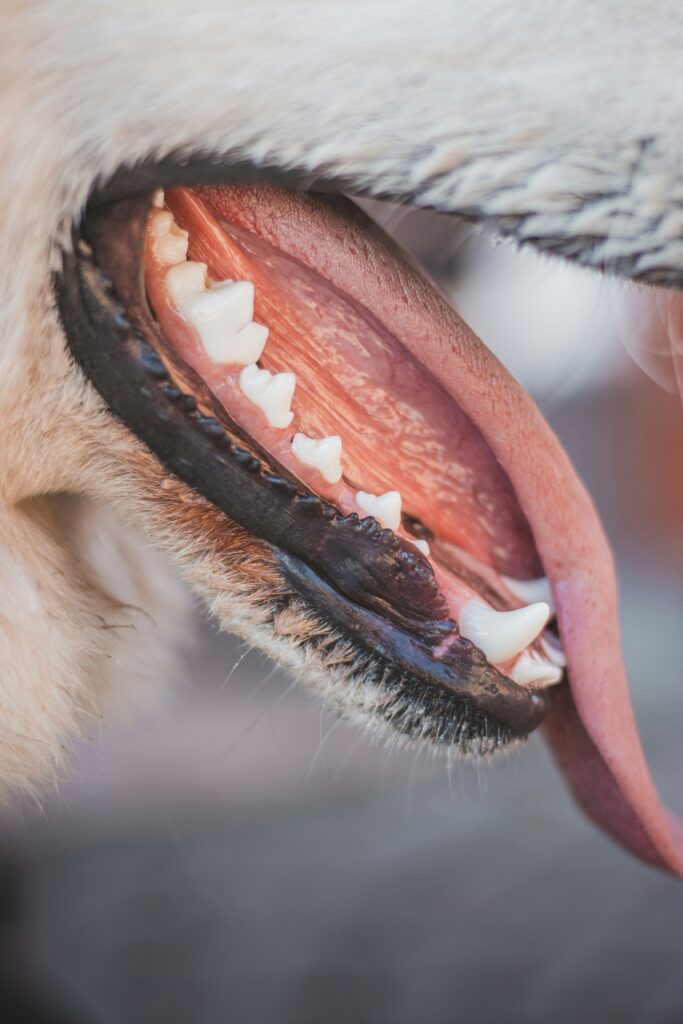
Some Australian pet insurance policies cover dental, most don’t cover it as standard, and the ones that do usually treat dental illness as an optional extra you have to add yourself. That gap matters, because dental disease is the most common health problem in Australian dogs and cats. Most vets will tell you that by age three, the majority of pets have some form of dental disease.
If you’re still weighing up whether pet insurance is worth it at all, start here. If you’ve already decided and you’re trying to find a policy that covers dental, read on.
Here’s what’s actually covered, what isn’t, and which policies are worth looking at if dental cover matters to you.
Does pet insurance in Australia cover dental?
The short answer is: sometimes, and it depends heavily on the policy and the cause.
Australian pet insurance policies generally split dental into two categories, dental illness and dental accidents. Accident cover (a broken tooth from chewing something hard, for example) is more widely included. Dental illness, things like gingivitis, dental disease, and tooth decay, is much harder to find and usually only available on higher-tier plans.
Most standard policies don’t include dental illness at all. If your dog develops gum disease or needs a scale and clean, that’s typically out of pocket.
What Pet Circle Insurance covers
Pet Circle Insurance offers dental cover through their optional 360° Care add-on. This covers dental illness including gingivitis, behavioural problems, and physiotherapy, conditions that aren’t included in the base policy.
The 360° Care add-on is priced separately from your base policy. The base policy alone won’t cover dental illness. Claims for dental illness through this add-on count toward your annual limit ($10k, $17.5k, or $30k depending on what you’ve chosen) with no sub-limits on the dental component.
If you’re considering Pet Circle Insurance specifically for dental cover, the 360° Care add-on is what you need, the base policy alone won’t cover dental illness.
What PetsOnMe covers
PetsOnMe’s dental coverage depends on which plan you’re on:
Accidental Plan ($5,000 annual limit), no dental illness cover. Accidental dental injuries may be included but routine dental disease is excluded.
Classic Plan ($10,000 annual limit), no dental illness cover. Same position as the Accidental Plan on dental.
Deluxe Plan ($20,000 annual limit) : includes dental illness up to $500 per year. This covers gingivitis, tooth removal where medically required, cavities, tooth fractures, dental disease from infection, and retained deciduous teeth.
The $500 annual dental sub-limit on the Deluxe Plan is modest, a single dental procedure can easily exceed that, but it’s better than nothing and at least gives you partial cover for what would otherwise be a full out-of-pocket cost.
What RSPCA Pet Insurance covers for dental
RSPCA Pet Insurance is worth knowing about even though I don’t have an affiliate link with them. Its PetFlex plan offers dental illness as an optional extra, but there is a catch that catches people out: you can only add it before your dog turns 3. Miss that window and dental illness cover is off the table for good, which is one more reason to sort cover out while your dog is young. There’s more on how RSPCA’s cover changed in 2026 in my review of RSPCA pet insurance.
Does pet insurance cover teeth cleaning?
The answer splits in two, and knowing which side you’re on before you book the appointment is worth real money.
A routine scale and clean, the one your vet suggests at the annual check while pointing at the tartar, is preventive care. No Australian insurer pays for that under a standard accident and illness policy. You cover it yourself.
A diagnosis changes it. Once a vet documents dental illness, periodontal disease, an infected tooth, a fractured molar, the cleaning done as part of treating that condition is no longer preventive. It is part of the procedure, and it is claimable if your policy includes dental illness.
So two things decide whether you get paid back:
- Does your policy include dental illness at all? Pet Circle Insurance covers it through the 360° Care add-on, which can go on any plan. PetsOnMe covers it on the Deluxe Plan only, capped at $500 a year. The Accidental and Classic plans do not.
- Was it already on the record? Anything a vet noted before your policy started is excluded as pre-existing, and a 21-day illness waiting period applies before you can claim.
With a scale and clean alone running $400 to $800 before a single extraction is added, a $500 annual cap does less work than it sounds like it should.
If you are shopping for a policy now and your dog is due for a clean, book it before the policy starts rather than after. A documented clean bill of dental health at the start of cover is what keeps the door open later.
What about waiting periods?
This is where people get caught out. Dental illness cover typically has a waiting period before you can claim. On PetsOnMe’s Deluxe Plan, standard illness waiting periods apply, usually 21 days for illness cover. That means you can’t take out a policy today and claim for your dog’s existing dental disease next week.
Pre-existing dental conditions are excluded. If your dog already has signs of dental disease before the policy starts, treatment related to that condition won’t be covered.
The lesson here is the same as with all pet insurance: the earlier you get cover, the better positioned you are. A dog insured at eight weeks with continuous cover has a much cleaner claims history than a dog insured at age five with an existing dental issue noted in their vet records.
Is dental cover worth paying extra for?
It depends on your dog’s breed and dental history.
Some breeds are significantly more prone to dental problems than others. Small breeds, Shih Tzus, Cavaliers, Maltese, tend to have more crowded teeth and higher rates of dental disease.
Brachycephalic breeds like French Bulldogs and Pugs also have elevated dental risk due to their jaw structure.
If you have one of these breeds, dental cover is worth thinking about seriously. A single dental procedure, scale and clean under anaesthetic, extraction, or treatment for dental disease, can run from $400 to over $1,000 depending on the vet and the extent of the work.
For larger breeds with fewer dental issues, it’s a lower priority.
What if you can’t afford the dental work?
If a vet has just quoted you $800 to clean your dog’s teeth and you don’t have it, you have more options than the front desk usually mentions.
Ask about a payment plan. Many vets offer them, especially for regular clients. Some practices use third-party services like VetPay or zipMoney that spread the cost over six to twelve months. It’s worth asking directly rather than assuming the answer is no.
Vet schools run discounted clinics. The University of Melbourne, University of Sydney, and Murdoch University in Perth all run teaching hospitals where supervised final-year students perform procedures at significantly reduced rates. Wait times are longer and you’ll need a referral, but the cost saving is substantial.
RSPCA community vet clinics. If you hold a Centrelink concession card, RSPCA Victoria and several other state branches run subsidised clinics for eligible owners. Dental work is included in the services covered.
Prioritise what’s urgent. Not all dental work is equally pressing. Extractions of infected teeth or treatment of advanced periodontal disease are urgent because the infection can spread. A general scale and clean for cosmetic tartar buildup can usually wait a few months while you save. Ask the vet which parts of the quote are clinically urgent and which are preventative.
The honest reality. The cheapest dental work is the kind you prevent. Daily brushing from puppyhood costs about $15 a year for toothpaste and a brush, and it genuinely works. Most dogs presenting with $1,000 dental quotes are dogs that have never had their teeth brushed. If money is tight, the prevention section below is the most important part of this article.
Preventing dental problems, what actually works
The cheapest dental cover is prevention. A few things that actually make a difference:
Daily brushing, the most effective single thing you can do. Dogs tolerate it well if started young. Use dog-specific toothpaste (human toothpaste is toxic to dogs).
Dental chews, not a substitute for brushing but they help slow plaque buildup. Look for the Veterinary Oral Health Council (VOHC) seal on products.
Regular vet dental checks, most vets do a basic dental check as part of a standard consultation. Catching dental disease early is significantly cheaper to treat than waiting until it’s advanced.
Diet : dry food doesn’t necessarily clean teeth the way it’s often claimed, but there are specific dental diets formulated to reduce plaque. Ask your vet if your dog’s current diet is a concern.
The brown plaque on your dog’s teeth is tartar, calcified bacteria. Once it’s hardened, brushing won’t remove it and a professional scale under anaesthetic is the only fix. That’s why routine care before it gets to that point matters.
Does pet insurance in Australia cover dental?
Some policies cover dental illness and some don’t. PetsOnMe’s Deluxe Plan covers dental illness up to $500 per year. Pet Circle Insurance covers dental illness through their optional 360° Care add-on. Most standard policies only cover accidental dental injuries, not dental disease or routine dental treatment.
Does pet insurance cover dental treatment for dogs?
It depends on the treatment and the policy. Accidental injuries (broken tooth from trauma) are more widely covered. Dental illness, gingivitis, tooth decay, dental disease, is only covered on select higher-tier policies. Pre-existing dental conditions are excluded under all Australian pet insurance policies.
Which Australian pet insurance companies cover dental work?
PetsOnMe Deluxe includes dental illness in the base plan (up to $500/year). Pet Circle Insurance covers dental illness through the 360° Care add-on on any plan. For broader dental coverage, compare both policies against your dog’s specific breed and dental history before deciding.
Is there pet insurance with no waiting period for dental in Australia?
Standard waiting periods apply to dental illness cover. PetsOnMe waives waiting periods if you’ve held continuous cover with another insurer for 12 months or more. Otherwise a 21-day illness waiting period typically applies before you can claim for dental illness.
How much does dental treatment cost for dogs in Australia?
A professional scale and clean under anaesthetic typically costs $400–$800. Extractions add to that depending on how many teeth are involved and how complex the procedure is. Dental disease caught early and treated promptly is cheaper, advanced cases can cost $1,000 or more.
Does pet insurance cover tooth extraction in Australia?
It depends on why the tooth is coming out. An extraction after an accident, a tooth fractured on a bone or a fence, falls under accident cover, which most policies include. An extraction caused by dental disease is a different claim and needs dental illness cover: either Pet Circle Insurance’s 360° Care add-on, or PetsOnMe’s Deluxe Plan, which names tooth removal where medically required and caps dental illness at $500 a year. The Accidental and Classic plans will not pay for it. With a scale and clean alone running $400–$800 before any extractions are added, that $500 cap goes quickly.
Does pet insurance cover dental cleaning?
A routine scale and clean, the preventive one your vet suggests at the annual check, is typically out of pocket. It is preventive care rather than treatment for an illness. Cover only comes into play once a vet diagnoses dental illness, and at that point Pet Circle’s 360° Care add-on or PetsOnMe’s Deluxe Plan can contribute, subject to the 21-day illness waiting period. Anything already noted in your dog’s records before the policy starts is excluded, which is why getting a clean documented early is worth doing.
Is gingivitis a pre-existing condition for pet insurance?
It depends entirely on the date it was first noted. Gingivitis recorded by a vet before your policy started, or during the waiting period, is a pre-existing condition and stays excluded for good. Gingivitis that develops after the 21-day illness waiting period has passed is claimable, but only if your policy includes dental illness in the first place, and most base policies don’t. This catches a lot of owners, because gingivitis is one of the most commonly recorded findings at a routine check-up. If your dog has had a dental exam before you insured, read my guide to pre-existing conditions before assuming you’re covered.
Which pet insurance policies include dental in Australia?
Very few include dental illness in the base policy. Pet Circle Insurance offers it through the optional 360° Care add-on. PetsOnMe includes it on the Deluxe Plan, capped at $500 a year. RSPCA Pet Insurance offers dental illness as an optional extra on PetFlex, but you have to add it before your dog turns 3. Dental accident cover, for a tooth broken by trauma, is much more widely included than dental illness and is often in the base policy.
If you want cover that includes dental illness and not just dental injury, the policy you pick matters. PetsOnMe Deluxe builds dental illness into the base plan up to $500 per year. Pet Circle Insurance covers dental illness via the 360° Care add-on on any plan. Both apply a 21-day illness waiting period before claims for dental illness, and both exclude any pre-existing dental issues, so getting a scale and clean documented before the policy starts is worth doing.
I earn a small commission if you purchase through these links, at no extra cost to you.